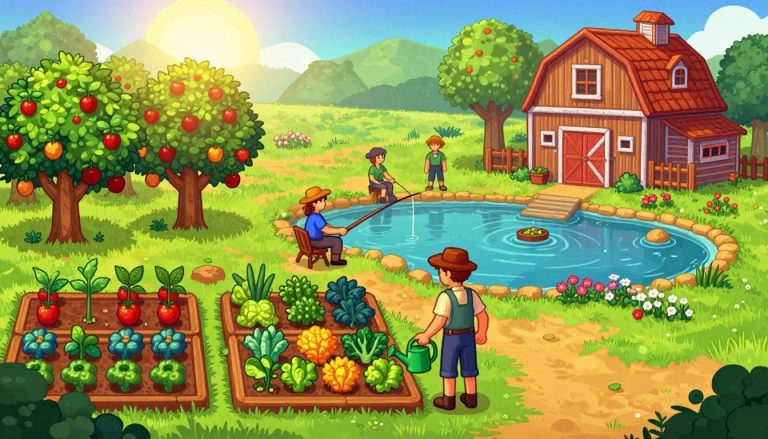
This guide shows you how to make money in Stardew Valley. It’s easy to follow and works for beginners. You’ll learn to make money by farming, making goods, raising animals, mining, fishing, and using crab pots.
Learn to unlock kegs and preserves jars. Build greenhouses and sheds. Tap oak trees for resin. Get Quality Sprinklers and tool upgrades. Tips include using parsnips for XP, early fishing, and efficient mining.
Whether you’re new or experienced, this guide has what you need. It’s all about making money in Stardew Valley. Follow these steps for quick profits and growth.
Key Notes;
- Mix passive (crab pots, animals) and active (crops, mining) income to scale faster.
- Prioritize kegs, preserves jars, and the greenhouse for long-term profit.
- Use parsnips and fishing early for XP and cash to fund upgrades.
- Tap oak trees and craft Quality Sprinklers to free up time and resources.
- Plan daily routines around watering, foraging, and targeted mining runs.
How to Maximize Early-Game Gold: Starter farming and fishing strategies
Starting fast in Stardew Valley means picking simple tasks that make money and XP. Focus on daily routines that bring in cash and XP. This guide will show you how to farm, fish, and mine for quick profits and growth.
High-yield spring crops and planting priorities
Start with potatoes and kale in your spring fields. Plant 40–80 crops to get good returns and XP. Use your earnings to buy jars or kegs when you can.
Buy strawberries at the Egg Festival if you can. They give a quick cash boost. Sell most of your harvests to buy more seeds and tools. Complete spring bundles and trade with Gunther for cauliflower seeds to earn more.
Parsnip opening and XP-focused planting for fast progression
Begin with 40 parsnips to match your watering can’s capacity. This setup helps you get XP fast while saving stamina. Focus on planting varieties that give you frequent harvests to unlock tools and recipes.
Don’t worry about crows in the first week. Focus on getting XP. Use the rain on Day 3 to save water and do other tasks that make money.
Fishing tips for early cash and stamina management
Fishing is a quick way to make money early on. Target big catches on rainy days, like catfish. Use small fish like carp to restore stamina during long fishing sessions.
Keep a chest near fishing spots to drop loot and keep fishing. This saves time and space until you can upgrade your backpack.
Mining basics: chests, elevator usage, and selling ores
Bring a chest into the mine to store extra finds. This keeps your inventory clean and saves time. Aim for five to fifteen levels per dive to progress without wasting energy.
Use elevator rewards every five levels to go deeper. Focus on ore early to make sprinklers and tools. Sell common items, keep minerals for bundles, and trade to buy seeds and equipment.
These early strategies create a loop that increases your income and unlocks machines. Follow this guide to go from surviving to profiting in your first season.
Best way to make money stardew valley
The smartest way to make money is by mixing work with machines that work for you. This method is key in many guides and is essential for making money in Stardew Valley.
Combining passive and active income streams for maximum profit
Active income comes from daily tasks like harvesting hops and fishing. You also mine for ore and gems, and do quests. These activities help you upgrade and grow fast.
Passive systems include crab pots, kegs, and animal processors. Start these early to make money while you do other things.
Why kegs, preserves jars, and artisan goods are core to scaling
Kegs turn crops into valuable drinks. Drinks like Pale Ale from hops and wine from Ancient Fruit make more money. Preserves jars also give good returns for fruits and veggies.
Artisan goods are key because they sell for more. Plan your keg and jar production to match your harvests. This way, you won’t run out of things to process.
Using the greenhouse and sheds to centralize high-value production
The greenhouse lets you plant all year. Use it for Ancient Fruit or hops to keep making drinks. This reduces seasonal gaps and cuts down on work.
Sheds help you group your production. Place tappers and chests close to your kegs and jars. This makes scaling up easier as your farm grows.
| Role | Example Item | When to Prioritize | Impact on Revenue |
|---|---|---|---|
| Early passive | Preserves Jars | Spring Year 1–2 | Reliable, low-cost boost to cash flow |
| Mid passive | Crab Pots & Tappers | Summer Year 1–2 | Daily income with minimal upkeep |
| Mid→late processing | Kegs | After keg crafting unlocked; scale in Year 2–3 | High-value artisan goods stardew valley players rely on |
| Centralization | Greenhouse & Sheds | As soon as available | Year-round production and streamlined processing |
| Active funding | Fishing & Mining | Any season | Funds upgrades and supplies for passive expansion |
Start with jars and crab pots, then use your profits for kegs and sheds. Use your daily tasks to supply your machines and grow faster. This plan is the best for making money in Stardew Valley and fits any guide.
Stardew Valley money making tips for beginners: time and resource management
Start with a simple daily routine. This keeps your income steady and saves time. Water your crops first, then check kegs and jars. Visit tappers and crab pots next.
Do quick foraging rounds for seeds and materials. Save later hours for mining or fishing, based on your goals.
Plan tasks that increase your profit. Harvest hops and refill kegs early to start cycles again the same day. Empty preserves jars and add fresh produce before trips to keep artisan lines going.
Use rainy days for fishing or mining. This saves stamina and skips watering chores.
Daily routine planning
Make a list of daily tasks: crops, animal care, artisan checks, and inventory management. Prioritize high-value chores. Store extra loot in chests near your entrance to avoid long trips.
Stamina and tool upgrade prioritization
Upgrade your watering can and pickaxe first. This cuts down on repetitive tasks and speeds up mining. Better tools mean faster breaks and deeper mines, raising ore haul and crafting.
Carry cheap cooked food or low-value fish to restore stamina on the go.
What to buy early
Invest in seeds that yield profit and XP, like potatoes and kale. Buy basic sprinklers early and aim for Quality Sprinklers by mid-game. This frees up time for mining.
Add a coop or barn by summer for mayonnaise and cheese production. This brings in steady revenue.
Prioritize kegs for processing high-value crops but also build animal buildings for diversifying income. Plant 20–30 oak trees early for oak resin. Resin is key for crafting kegs and other items.
Keep oak tapping spread out for daily resin harvests. Use time-management stardew methods like batching tasks and pathing to save seconds each day. Small savings add up to more mine levels or harvest cycles, helping maximize profits.
Follow these tips to build steady cashflow and free time for more profitable activities. A disciplined routine and targeted purchases are key for long-term growth and smoother seasons.
Most profitable crops by stage: early, mid, and late game crop guide
Choosing what to farm affects your money from the start to the end. This guide helps you pick crops for each stage. It shows how to plan your seed buys, invest in processors, and lay out your fields. Use it to match your effort with the best returns and grow your farm faster.
Early-season winners
Potatoes and kale are great for beginners. Plant 40–80 tiles of these to start earning money and XP fast. Potatoes can give extra spuds, making them a top choice for early players.
Strawberries are a hit at the Egg Festival. Buy as many as you can, then plant for ongoing profits. But, save seeds for strawberries less because Ancient Fruit beats them later. Sell extra strawberries for quick cash.
Summer and fall staples
Blueberries and cranberries are top choices for summer and fall. Blueberries give many berries per harvest and work well with Seed Maker. Cranberries offer similar value in fall, giving steady income.
Hops need daily care but are worth it. They make great Pale Ale, boosting your Artisan skills and profits. This crop is a quick way to earn gold.
Melons and pumpkins are the best for one harvest. Melons are great for wine, and pumpkins are perfect for bundles. Both sell for a lot when not processed.
Late-game giants
Ancient Fruit is the best for late game. It grows repeatedly, making it perfect for greenhouses or big fields. When made into wine, it’s a major income source.
Fruit trees like peaches and pomegranates give daily fruit. Their wine is as valuable as Ancient Fruit wine. Early on, use preserves jars for tree fruit until you can make wine.
Use this guide to mix quick cash crops with long-term ones. Combine potatoes and strawberries with blueberries and Ancient Fruit. This way, your farm will grow wealth every season.
Artisan goods strategy: kegs, preserves jars, and best processing practices
Turning crops into artisan goods is the fastest way to make more money. This section explains how to use preserves jars and scale up processing. It also shows how to use space and resources wisely.
Keg ratios and why Pale Ale and Ancient Fruit wine matter
Plan how many kegs you need based on crop behavior. Use about one keg per Ancient Fruit plant. These plants yield weekly, making high-value wine that boosts your income.
Hops should be used for two to three kegs per plant. Hops grow daily, so making three kegs per plant keeps your farm running smoothly.
Pale Ale from hops is quick to make. It gives you daily cash, thanks to the Artisan profession boost. Premium wines like Ancient Fruit wine bring in big paychecks every week.
Preserves jar usage: when to preserve vs. sell raw
Preserves jars are cheaper and give steady returns for many crops. Use them for crops like blueberries and cranberries that grow multiple times. Preserve fruits like pomegranate and peach until you can make more kegs.
High-value fruits like pomegranate and peach make more money in kegs. If you can’t make enough kegs, preserve these fruits. This is a key trick for making money in Stardew Valley.
How to scale processing: shed layout and storage planning
Put processing machines in the center of sheds. Big Sheds are best because they hold many kegs and jars. Place chests for raw crops near machines and a finished goods chest near the shipping bin.
Oak resin is key for making kegs. Plant 20–30 oak trees early and use tappers. Rotate harvests to keep resin flowing. Good planning helps make more money over time.
| Crop Type | Recommended Processor | Processor Ratio | Why |
|---|---|---|---|
| Ancient Fruit | Keg | 1 keg per plant | Weekly wine yields high returns and scales predictably. |
| Hops | Keg | 2–3 kegs per plant | Daily production favors Pale Ale for steady cash flow. |
| Blueberries/Cranberries | Preserves Jar | Use jars for overflow | Multi-harvest crops can saturate kegs; jars keep value steady. |
| Pomegranate/Peach/Melon | Keg (preferred) / Jar (temporary) | Prioritize kegs when possible | Kegged fruits out-earn jars long term but need infrastructure. |
Use these strategies to add artisan goods to your Stardew Valley farm. The right mix of kegs and jars, along with smart shed layouts, is key to making more money.
Animal farming profits and mayo/cheese optimization
Animal farming brings in steady money and useful food. Focus on making high-value goods from basic inputs. Timing upgrades right boosts profits and frees time for other activities.
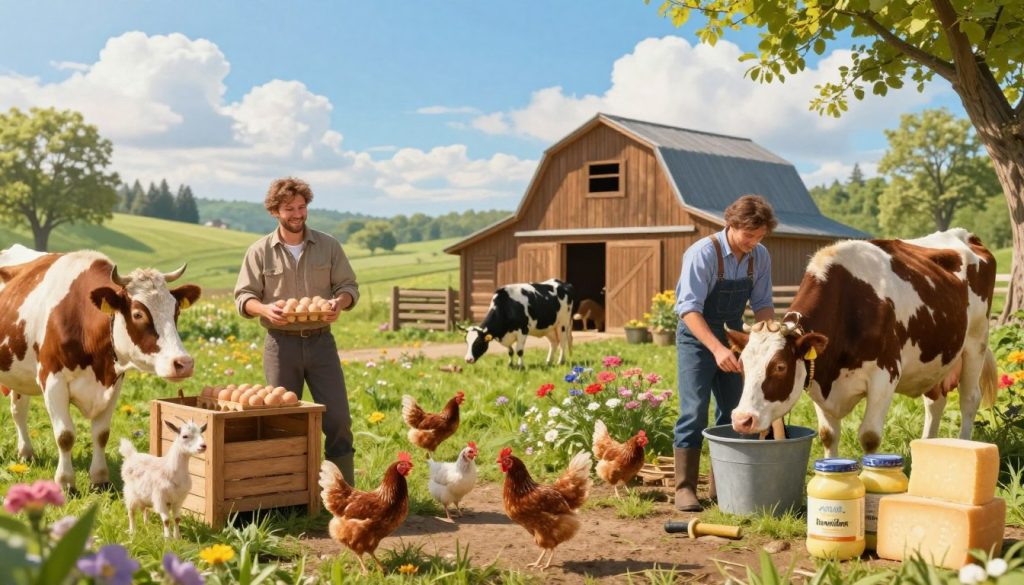
Coop and barn product prioritization: mayo, cheese, and truffles
Start with chickens to get mayo early. Mayo sells well and is great for gifts. Upgrading to Large Coop lets you get ducks and rabbits too.
Cow and goat milk is key for cheese. Aging better milk and using presses wisely is smart. Cheese helps with health and stamina, perfect for long days.
Pigs need a Big Coop and space for pasture. Truffles are very profitable; turn them into oil for more money. Keeping a balance in your coop and barn goods is key.
Dinosaur and rabbit strategies for high-value animal sales
Dinosaurs give high-value mayo from eggs. Buying or hatching an egg early can make a lot of money. But, selling a dinosaur later means less ongoing income.
Rabbits give rabbit’s foot and wool. Use them for steady goods and occasional big sales. Plan big sales when you need a cash boost but don’t hurt your ongoing income.
Animal building timing and feed/upgrade cost management
Wait to invest in big coops or barns until you have kegs and jars. Start animal production in early summer. This way, you get mayo and cheese income while crops grow.
Build a silo before growing your herd to save on feed. Use auto-grabbers and sprinklers to save time. Keep track of upgrade costs and plan for heart events to get better products.
Use these tips to mix animal and crop processing. A balanced approach to your coop and barn choices will keep your farm profitable all year.
Mining and Skull Cavern income: ore, gems, and ancient seeds
Mining gives you steady money and surprises. A good mining routine boosts your income. It also gives you minerals for crafting.
Small plans, like keeping chests safe, help keep rare items. This way, you don’t lose valuable gems and ores.
Museum chest tips
Put chests near elevators or favorite levels to store valuable finds. This saves space and keeps items safe for Gunther or crafting. Keep minerals for bundles separate from sellable items.
Pushing deep with elevator goals
Use the elevator to make progress faster. Aim for each multiple-of-five level to return quickly. Set daily goals of five to ten levels to find gold and iridium.
Bring food and bombs to clear rocks fast. This helps you meet your goals.
Skull Cavern tactics
Skull Cavern in the Desert is great for late-game income. Bring staircases and bombs to descend fast. Cooked dishes and cheese help you stay strong while exploring.
High-profit gemstone runs
Focus on floors with lots of rocks for more gems. Save staircases for levels with too much rock. Use ladders and bombs to reach deep layers quickly.
Ancient seed stardew notes
Enemies in early areas might drop ancient seeds. Keep any seed you find safe. Then, give it to Gunther for a plantable seed and recipes.
This plan is good for any Stardew Valley money guide. It balances risks and rewards. It also protects your best finds and increases ore and gem income over time.
Fishing and crab pot systems: consistent water-based income
Water-based income is a mix of fun and rewards. Good fishing can help buy new gear. Crab pots give steady money, freeing time for other farm tasks.
Fishing locations are key. Rivers, the mountain lake, and the beach have different fish. Rainy days are great for Catfish. The pond behind the Community Center has treasure chests.
Tackle choices affect your catch. The right tackle can find more treasure. Upgrading tackle is important for better fishing.
High-value fish like Sturgeon and Lava Eel are worth a lot. Sell them whole or make sashimi. Catch them on the right days for the best money.
Crab pots are easy money. Place them in the ocean and rivers. Check them daily for a steady income.
Mariner profession helps with crab pots. It increases the chance of finding treasure. This is a great way to make money.
Placement strategy is important. Place pots in the right spots for better catches. A mix of spots helps avoid dry spells.
Using fish for stamina keeps you going. Low-value fish like Carp are quick energy. Keep them near your fishing spot.
Complementary routines make you more efficient. Fish in the rain and early, then do other tasks. Keep a rod and crab pots ready for quick changes.
Fast cash tactics focus on treasure and easy catches. Use the right tackle for quick wins. Sell fish and seafood for extra money. These tips help you earn gold fast.
Greenhouse and late-game scaling: greenhouse layouts and seed strategies
The greenhouse is key to a long-term farm plan. It lets you plant all year, get steady yields, and try different strategies. Choose if you want a simple system or one that needs daily work.
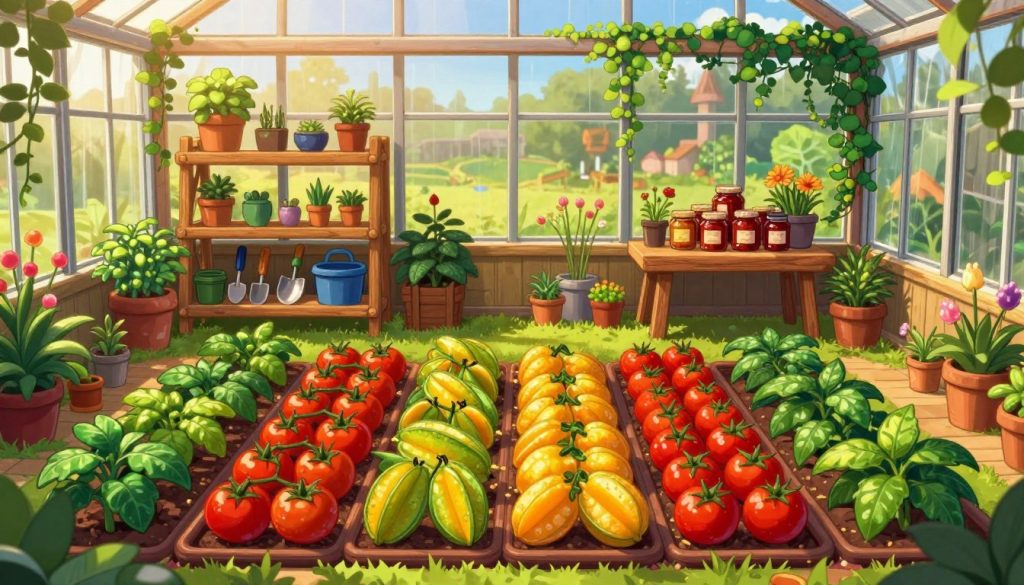
Ancient Fruit builds wealth over time. Planting mostly Ancient Fruit in the greenhouse is easy. Each plant gives weekly yields, and with kegs, you make valuable wine. This is good for players who want to make money with little daily work.
Hops give quick, daily money. Use hops if you have many kegs and can harvest every day. Making Pale Ale from hops speeds up your money. Hops need more work than Ancient Fruit but can make more money if you have enough kegs.
Choosing between Ancient Fruit and hops has trade-offs. Ancient Fruit needs time to start and uses Seed Maker a lot. Hops need daily picking and lots of kegs. Pick what fits your goals based on your crew, jars, and playtime.
Seed Maker stardew valley is key for Ancient Fruit growth. Turn Ancient Fruit into seeds to grow fast. The Seed Maker’s chance to make ancient seeds is low. Keep cycles going and add found or looted seeds to speed up growth.
Plan your greenhouse layout with crop rows and tree pockets. Fruit trees need clear soil to grow. Adding trees with crops slows growth but gives daily fruit for preserves and wines.
| Approach | Frequency | Processing Need | Workload |
|---|---|---|---|
| Ancient Fruit setup | Weekly harvests | High keg capacity for wine | Low daily maintenance |
| Hops setup | Daily harvests | Very high keg count for Pale Ale | High daily maintenance |
| Mixed trees + crops | Daily and seasonal yields | Moderate preserves and kegging | Moderate planning, lower harvest intensity |
Compare daily profits to plan long-term. Multiply hops daily yield by Pale Ale value. Then compare it to Ancient Fruit wine yields. Remember to include seed maker cycles, keg throughput, and shed storage in your earnings.
Put tappers and oak trees near the greenhouse for easy access. Oak resin and syrup add steady income and materials. Tappers need little care and fit well in layouts with crops, trees, and buildings.
Adjust your plan to fit your style. For passive income, focus on Ancient Fruit stardew with enough seed maker cycles. For active returns, fill the greenhouse with hops and scale kegs for quick money. This way, you can make the most money with daily effort.
Common mistakes and money making tricks to avoid and leverage
Many players miss simple steps that stall their profits. This guide helps spot common mistakes in Stardew Valley. It also shows how to use money making tricks that grow over time. Small changes early on can lead to big gains later.
Don’t plant crops or trees that won’t grow before the season ends. Timing is more important than how many seeds you have. Buying too many strawberries for next spring can be a mistake if other assets earn more.
Don’t spend too much on low-return goods early on. Focus on building things like kegs, tappers, and sprinklers first. This approach helps make more money in the long run.
Missed opportunities
Many players wait too long to plant oak trees. Not tapping 20–30 oak trees early limits oak resin. This blocks keg construction. Tapping oak trees in week one is a smart move.
Not investing in kegs and selling raw fruit too soon can hurt your late-game income a lot. Try to convert as much fruit as you can. Kegs and preserves jars turn raw produce into valuable goods.
Little tricks and leverage points
Use the Seed Maker wisely. Blueberries can produce seeds and sometimes Ancient Seeds. This helps get Ancient Fruit without rare drops.
Place many tappers on oak trees early to get steady oak resin. This lets you build more kegs faster. Building more kegs is key to making more money.
Follow crop-to-processor ratios: one keg per Ancient Fruit plant, about 2–3 kegs per hops setup for casual play, and roughly 2–3 preserves jars per fruit tree for overflow. These guidelines keep processing queues efficient and prevent wasted harvests.
Inventory and daily efficiency
Use mine chests and fishing chest spots to keep gear and loot safe between runs. Low-value fish make reliable food to extend workdays. These small habits are the foundation of making more money in Stardew Valley.
Concrete examples
A 40-parsnip opening can speed early XP. Early oak resin tappers are worth prioritizing in week one. Balance keg and preserves ratios to avoid production bottlenecks. These tips help avoid common mistakes and make more money.
Conclusion
Start the game by focusing on getting XP and seed capital fast. Try parsnip openings, early potatoes, and kale. Also, fish for quick cash and stamina.
Focus on oak tappers for oak resin early. Then, build preserves jars to turn raw crops into valuable items. These steps help you make more money in Stardew Valley and prepare for bigger projects.
Move from preserves jars to kegs as your main way to make items. Use kegs that match your output, like one per Ancient Fruit plant. Use sheds and the greenhouse to process items in one place.
Add animals to your farm for extra income. Mayo, cheese, and truffles are high-value items. They work well with crab pots and tappers for steady growth.
Make a daily routine that includes watering, harvesting, mining, and fishing. Use chests to keep track of your items. Use rain days and festivals to work more efficiently.
Combine passive systems like crab pots, kegs, and tappers with active play. This is the best way to make money in Stardew Valley. You can adjust this plan to fit your style, whether it’s for a micro-intensive hops strategy or a passive Ancient Fruit greenhouse strategy.
Try different things within this framework. Use the Seed Maker, optimize shed layouts, and adjust processor ratios to your liking. Whether you like daily management or passive income, a focused build will help you make more money and keep things interesting.
FAQ
What is the fastest way to make money in Stardew Valley?
Early on, plant lots of potatoes and kale. Fish on rainy days for extra cash. Start with a 40-parsnip XP opening for tool upgrades.
Mid game, make Pale Ale from hops and run crab pots. Late game, plant Ancient Fruit in the greenhouse. Make wine for steady, high returns.
How do you get the most money in Stardew Valley?
Use passive systems like kegs and crab pots. Also, mine, fish, and harvest daily. Invest in Quality Sprinklers and sheds early.
This mix helps you make more without wasting time. It’s a solid guide for Stardew Valley money making.
What is the most profitable thing to sell in Stardew Valley?
Artisan goods like Pale Ale and Ancient Fruit wine are top earners. Truffle oil and processed animal products also bring in good money. Gems and Skull Cavern finds add to your income.
Which farm makes the most money in Stardew Valley?
The standard farm layout is best for big keg and preserves operations. Beach and Foraging farms are great for crab pots and tappers. Choose a farm that fits your strategy.