
Start by choosing the right niche for dropshipping products. Look for items with a 2–5x markup or more. They should have strong value, low shipping costs, and room for your brand.
Beauty, tech gadgets, wellness, and home items often have high markups. High-ticket products ($200+) can also increase profits and make customer service easier.
In 2025–2026, success depends on good infrastructure, targeted marketing, and solid product research. Use Google Trends, Ahrefs, and best-sellers to find demand. Test with print-on-demand and partner with Carro or US warehouses for fast delivery.
This article shares profitable ideas and smart strategies. You can find the best products to sell and make lasting profits.
Key notes;
- High margins come from perceived value, low shipping, and brandability.
- Focused niches lower ad spend and build customer loyalty.
- High-ticket items often yield bigger dollar profits than low-ticket volume.
- Use tools like Google Trends and Ahrefs for data-driven validation.
- Partner with reliable suppliers and US fulfillment for faster delivery.
Meta Description: Dropshipping Products With High Profit Margin — Discover lucrative dropshipping products, profitable product ideas for dropshipping, and smart selling strategies that reveal top niches and tactics.
Understanding High-Margin Products and Why Profit Margins Matter in Dropshipping
In dropshipping, margin is key. Knowing what makes a product high-margin is vital. It helps you choose the right items and set prices wisely.
Definition of a high-margin product
A high-margin product makes a lot more than it costs. This includes the item, shipping, fees, and ad spend. You can make 2x to 5x more, or even more.
For low-ticket goods, aim for at least a 50% margin before ads and overhead.
How percentage margin vs. dollar profit affects ad spend and ROI
Percentage margin is more important for low-ticket items. This is because ad costs eat up a bigger part of the sale. A small product with 50%+ gross margin can handle aggressive ad testing.
For high-ticket items, the dollar profit matters most. A $300 sale with a 20% margin can handle more ad costs than a $30 sale with the same percent.
Plan for both percent and dollar margins. Aim for 20–30% net margin after ads and fees for growth. Low-ticket sellers need higher margins to compete in paid channels.
Examples illustrating perceived value vs. absolute price
Perceived value affects what customers pay. Jewelry, for example, has big markups because of its prestige and craftsmanship. A custom t-shirt may have a 9x markup from $2 cost to $18 retail, yet it’s seen as casual wear.
Use perceived value to set your pricing strategy. Luxury presentation, brand storytelling, and strong visuals increase willingness to pay. This turns niche items into profitable ones.
Typical margin targets for low-ticket versus high-ticket items
Low-ticket sellers should aim for 50%+ gross margin. This leaves room for ad testing and returns. High-ticket items can operate with 15–25% gross margin. This is because each sale is bigger and can handle higher CAC.
Sort your catalog by margin type. Low-ticket bundles, subscriptions, or upsells can increase average order value. High-ticket sales reduce support costs per dollar and often improve lifetime value with service or warranty offers.
Key Characteristics to Look For When Selecting Dropshipping Products With High Profit Margin
Choosing top margin dropshipping items needs a checklist. Look for products with high value, low shipping weight, and a specific niche appeal. They should also offer room for branding. This guide helps you find products for premium prices with low costs.
Significant markup and perceived value
Find items to mark up 2–5x or more. Prices should be okay for buyers. Jewelry, beauty tools, and small tech gadgets are good choices. Products that solve problems or create emotional connections justify higher prices.
Niche appeal and passion-driven audiences
Target groups like pet owners, hobbyists, or eco-conscious shoppers. These groups respond well to specific messages and ads. Focused audiences help you test and scale faster, finding winning niches quicker.
Low shipping cost relative to retail price
Choose lightweight, compact items. Low shipping fees protect your margins and speed up delivery. Items under a pound or that ship flat are best for global shipping and reduce refund risks.
Brandability and private-label opportunities
Products that allow unique packaging or labels stand out. Private-label options and custom bundles increase value and encourage repeat purchases. Tools like Zendrop, Carro, and Printful support private-label and fast US shipping for better customer experience.
Short practical checklist:
- Lightweight with low shipping cost
- Clear problem-solution story for ads
- Viral demo for social videos
- Supplier willing to offer private-label opportunities
- Room for unique packaging to boost perceived value
Finding low-competition products in focused markets boosts your early success. Combining niche focus with brandability and a solid markup gives you an edge in dropshipping.
High-Margin Niches: Beauty and Personal Care Opportunities
Beauty is a top choice for online sellers. People buy based on how they feel and their daily routines. TikTok and Instagram make simple demos go viral, helping beauty products stand out.
Why emotion and ritual lift conversions
Skincare and personal care fit into our daily lives. Customers love the feeling of self-care more than just features. Glossier and Drunk Elephant show how to build a premium image through rituals and visuals.
Top product ideas and typical markups
Some accessories can sell for much more than they cost. Jade rollers, for example, cost less than $1 but sell for $15–$20. This makes a big profit.
Magnetic eyelash kits are another example. They cost $1–$3 but sell for $10–$20. This creates a wide profit margin. Silicone face brushes and travel devices fall in the middle. At-home IPL devices cost more but can make 1.7–7.7x profit.
Advertising and creative requirements
Beauty ads do better with demos than just pictures. Short, real tutorials and before-and-after videos work well. Unboxings by influencers also boost sales.
User-generated content from small influencers is often more trusted than fancy ads.
Quality checks and regulatory cautions
Devices and skincare with active ingredients need careful checks. Make sure suppliers are certified and test products when you can. Use safe marketing to avoid risks.
Clear instructions and accurate labels are key. Easy returns also help keep customers happy and trust your brand.
Quick comparison of product types
| Product | Typical Cost | Common Retail | Typical Markup | Key Risk |
|---|---|---|---|---|
| Jade roller | $0.70 | $15–$20 | 15x+ | Quality of stone, breakage |
| Magnetic eyelash kit | $1–$3 | $10–$20 | 3.3–20x | Allergic reactions, false claims |
| Silicone face brush | $5 | $18 | 3.6x | Durability, perceived value |
| At-home IPL device | $13–$30 | $50–$100 | 1.7–7.7x | Regulatory oversight, safety testing |
Good positioning, packaging, and honest marketing can make low-cost items profitable. Brands that focus on demos and quality sourcing do well in beauty. Always keep regulatory rules in mind to protect your customers and profits.
High-Margin Niches: Tech Gadgets and Accessories That Convert
Tech gadgets that wow sell fast. They get shared on social media and make great gifts. Small bundles, demo clips, and nice unboxing make them seem worth more.
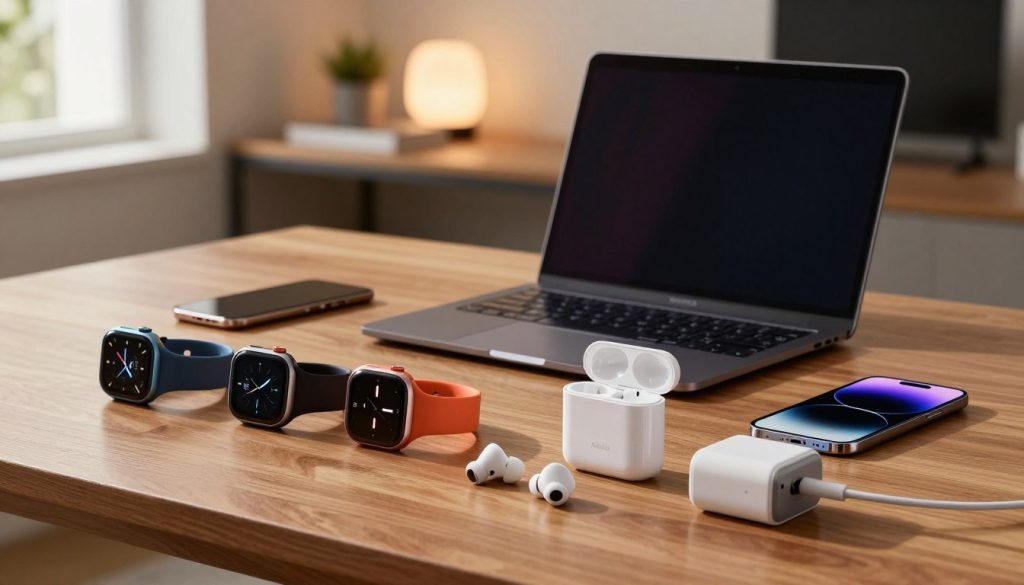
“Wow factor” products for social sharing and gift purchases
Products that get a quick reaction do well on TikTok and Instagram. Galaxy projectors, LED strips, and cool smart accessories go viral with a short demo. This makes them top sellers and can increase average order value.
Product examples and markup ranges
Examples show what can be made. Blue-light blocking glasses cost $0.50–$0.70 to make and sell for $15–$20. This is a big markup. LED cabinet motion lights cost $10 and sell for $27.
LED strips cost $7 and sell for $15–$20. Budget smartwatches cost ~$20 and sell for $100. Galaxy projectors cost ~$15 and sell for $60 or more.
These prices show why sellers focus on tech gadgets. They mix cheap impulse buys with expensive items. Smart home devices are at the high end and appeal to those who value convenience and security.
Quality control, customer expectations, and returns risk management
Buyers expect tech to work right away. Faulty items lead to returns and bad reviews. Use trusted suppliers, test items, and prefer US warehouses or partners like Zendrop or Carro.
Give clear specs, setup guides, and warranties to help. For expensive items, add demo videos, user testimonials, and clear shipping info. This protects your profit and keeps customers happy.
Use Ahrefs and check best-sellers to find in-demand items. Get influencer feedback to find products that are popular but not too competitive. This way, you can grow your store with both impulse buys and high-ticket items without losing money.
High-Margin Niches: Health, Wellness, and Fitness Products
Health and fitness products sell all year. They get even busier at New Year and summer. This steady demand makes them great for dropshipping.
Items that cost little but seem valuable do well. For example, a finger grip strengthener costs about $0.98 but sells for $19.99. This gives a 20x markup. Posture correctors cost $2–$4 but sell for $20–$30, making 5–15x margins.
Resistance bands cost $7–$9 but sell for $15–$20. This gives 1.7–2.9x markups. There are also eco-friendly yoga mats, portable blenders, and acupressure mats.
Adding bundles and extras like travel bags and instructional plans can increase sales. This also encourages people to buy more than once.
Focus on specific groups like climbers and yoga fans. Use ads and messages that speak to them. Check Google Trends and best-sellers to see if people are interested.
It’s important to think about liability with wellness products. Give clear size guides and instructions. Include safety disclaimers and warranty options.
Showing third-party certifications and honest reviews can build trust. Offer a clear return policy and quick support for health concerns.
| Product | Approx. Cost (per unit) | Typical Retail Price | Estimated Markup | Notes |
|---|---|---|---|---|
| Finger grip strengthener | $0.98 | $19.99 | ~20x | Low shipping cost, impulse buy, easy video demos |
| Posture corrector | $2–$4 | $20–$30 | 5–15x | Requires size guide, instruction sheet, warranty recommended |
| Resistance bands | $7–$9 | $15–$20 | 1.7–2.9x | High repeat-buy, bundle with workouts |
| Eco-friendly yoga mat | $5–$10 | $30–$50 | 3–10x | Branding chance, longer shipping, premium |
| Portable blender | $8–$15 | $29–$59 | 2–7x | Accessory sales, repeat use boosts value |
High-Margin Niches: Home, Lifestyle, and Giftable Products
Home and lifestyle items do well because they fit into our daily lives. They also make great gifts during holidays. By presenting them well, they become must-haves for unique presents.
Why giftability boosts conversions
Gift buyers look for items that stand out. They want something special and well-presented. This makes them more likely to buy, leading to higher sales.
High-margin home items worth testing
Look for items that are easy to ship and look good. Examples include 3D LED lamps and designer teapots. These items can have markups of 1.8x to 4x, or even more for unique items.
Visual marketing that drives sales
Instagram and Pinterest love before-and-after photos and lifestyle shots. Short videos and styled photos get shared more. Use seasonal themes and fast shipping to meet holiday demand.
| Product | Estimated Cost | Typical Retail | Markup Range | Best Channel |
|---|---|---|---|---|
| 3D LED dragon lamp | $11.00 | $20–$30 | 1.8x–2.7x | Instagram, TikTok |
| Chinese Kung Fu teapot | $5.50 | $28.00 | 4x | Pinterest, Shopify listing |
| Decorative solar garden lights | $10.00 | $30.00 | 2.5x–3.75x | Facebook Ads, Instagram |
| Owl kitchen timer | $1.00 | $14.99 | ~15x | Amazon, Etsy |
| Aroma diffuser (compact) | $8.00 | $25.00 | 3x | Pinterest, Email campaigns |
Choose items that look good in photos for home and lifestyle dropshipping. Use Google Trends to plan your launches. Consider using US fulfillment centers to save on shipping and protect your profits.
Test your dropshipping products by mixing fast-selling items with one special item. Offer gift wrap and clear return policies for last-minute shoppers. Watch how people interact with your products to pick the best ones.
High-Margin Niches: Pet Tech and Premium Pet Supplies
Pet owners spend from the heart. This emotional buying makes pet products great for premium sales and repeat buys. A smart strategy that mixes dropshipping with aftercare can turn one-time buys into long-term customers.
Emotional buying behavior and repeat purchase opportunity
People treat pets like family. This makes them willing to pay more for quality and convenience. Show how items save time or reduce worry to boost sales.
Subscriptions for filters, treat refills, and food toppers are easy ways to earn recurring income. Pair a gadget with consumables to increase customer value over time.
Examples and markups
GPS pet trackers cost $15–$30 to source and sell for $60–$100 or more, making 2–3x profit. Automatic pet water fountains cost about $20 and sell for $50–$60, a 2.5–3x markup. Electric food dispensers cost $10–$20 and sell for $30–$60, roughly 3x.
Small items like silicone grooming gloves can be sourced near $1 and sell for $10–$15, making 10–15x profit.
These items do well when bundled with warranties, spare parts, or subscription refills. This drives repeat sales.
Product safety, app or tech integration, and customer support demands
Many pet tech products need apps and firmware. Make sure suppliers update regularly and provide clear documentation. Bad software support leads to returns and bad reviews.
Material safety is key for bowls, fountains, and toys. Use only food-grade plastics or stainless steel and ask for certificates. Offer simple troubleshooting, fast replacements, and clear warranty policies to keep trust.
When picking items for dropshipping, consider profit margins and support needs. Focus on premium pet supplies that can be sold emotionally and backed with solid service. This turns buyers into loyal customers and steady income.
High-Margin Niches: Premium Coffee, Tea, and Daily-Use Accessories
Daily rituals make premium coffee and tea products an easy sell. Fans value consistency and small luxuries. This makes everyday items into profitable dropshipping items when seen as quality upgrades.

Why ritual-backed purchases raise lifetime value
When a go-to mug or burr grinder becomes part of a morning routine, customers return. This repeat behavior supports recurring revenue through refills, subscriptions, and accessory add-ons. Seeing products as investments in daily comfort boosts average order value.
Product ideas with real markup examples
Consider gear with clear perceived value. Gooseneck kettles often cost $25–$40 to source and retail for $80–$150, producing 3x+ margins. Manual burr grinders source for $10–$15 and sell at $40–$60, hitting 3–5x. Insulated infuser travel mugs can cost $7–$10 and retail for $25–$35. Elegant tea sets sometimes source at $12–$15 and command $80–$120 at retail.
Bundling, subscriptions, and fulfillment tips
Starter kits and tasting sets make ideal giftable bundles that lift conversion. Offer monthly coffee beans or tea refills to secure recurring revenue. Watch fulfillment costs for bulky items like kettles. Using US warehouses or local fulfillment centers reduces shipping fees and damage risk, protecting margins on higher-ticket pieces.
Positioning and content that drives sales
Target long-tail queries such as “electric gooseneck kettle temperature control” with guides and brewing tutorials. Educational content builds trust and explains the value behind premium pricing. This approach turns search intent into buyers for premium coffee dropshipping and complementary daily-use accessories.
Research, Validation, and Sourcing: Tools and Processes to Find Profitable Dropshipping Items
Start by setting clear goals before you dive into trends. Choose a target profit margin, shipping limits, and ad budget. Use product research tools and check marketplaces to quickly find a good product.
Data-driven research
Google Trends helps you see if demand is rising or just a spike. Use Ahrefs or SEMrush for search data and keyword difficulty. Check Amazon, eBay, and Etsy for sales and reviews.
Competitor analysis shows pricing gaps and ad ideas that work.
Social listening
Look at TikTok, Instagram, and Pinterest for viral trends. Watch for repeat posts and engagement to find lasting interests. Find real user reviews and unboxing videos that match your audience.
Supplier selection tips
Choose suppliers with US warehouses for faster shipping. Order samples and check packaging quality. Make sure they have the right certifications and offer tracking and insurance for valuable items.
Private-label opportunities
Private labeling and custom packaging can increase value. Use Zendrop or Printful for branding and local shipping. Carro connects you with brands for more products without inventory. Test branded items to see if they improve profit and get customer feedback.
Make a checklist for your research: check Google Trends, Ahrefs, marketplaces, social media, suppliers, and quality checks. This helps you find profitable niches quickly.
Pricing Strategy, Shipping, Ads, and Return Policy Considerations for High-Margin Products
Setting prices for dropshipping items needs a clear plan. Start with the product cost, then add shipping and fees. Don’t forget to include ad spend, desired profit, and a return buffer.
This formula helps set a retail price. It should aim for a 20–30% net margin after all costs. This ensures long-term success.

Low-ticket items need high markups to cover ad costs. For example, a $2 product sold at $18 can fund aggressive ads. High-ticket items can work with 15–25% margins because each sale brings in more profit.
Use these differences when setting customer acquisition cost targets.
Pricing examples
| Item Type | Typical Retail | Gross Margin | Allowed CAC | Notes |
|---|---|---|---|---|
| Low-ticket impulse (e.g., novelty gadget) | $10–$30 | 50%+ | $4–$8 | Needs high markup to cover ads and returns |
| Mid-ticket (e.g., premium blender accessory) | $50–$150 | 30–40% | $10–$30 | Balance content marketing with paid ads |
| High-ticket (e.g., specialty appliance) | $200+ | 15–25% | $30–$70 | Higher dollar CAC tolerated if LTV or warranty upsells exist |
Keep shipping costs low to protect margins. Use US fulfillment or regional warehouses for faster delivery. Offer flat-rate shipping or set free shipping thresholds to increase average order value.
For bulky items, include higher fulfillment fees in the price. Limit shipping zones if needed.
Ad spend planning should match margin type. For low-margin products, cap customer acquisition cost tightly. Test creative for low CPA. For higher-ticket items, accept a larger dollar CAC if there’s a lifetime value from subscriptions or repeat purchases.
Design a return policy that balances conversion and margin protection. Clear return windows and published warranty details build trust. For expensive items, require return authorization and consider restocking fees when justified.
Fast, fair returns reduce disputes and improve merchant reputation.
Track metrics weekly: net margin after ad spend, average customer acquisition cost, return rate, and shipping costs per order. Use this data to tweak pricing strategy, adjust shipping options, refine ads, and tighten the return policy. This keeps your profitable dropshipping items sustainable.
Conclusion
High-margin dropshipping is not just about low costs. It’s about value, solving problems, and doing things well. Choose lightweight, brandable products that fit a niche you love. These items often justify higher prices and lead to more sales.
Test ideas fast with tools like Google Trends and Ahrefs. Short ad tests help you see if they’re worth it. Use Carro or print-on-demand services to test without risking a lot of money. This way, you can find products that make money and test them quickly.
How you run your business is key. Choose reliable suppliers, use US warehouses, and ship fast. Have clear return policies to keep your profits up as you grow. Only grow your business with products that make money after all costs. This way, you can build a successful dropshipping business.